Compassionate, developmentally appropriate therapy for children and adolescents.
Children & Teens

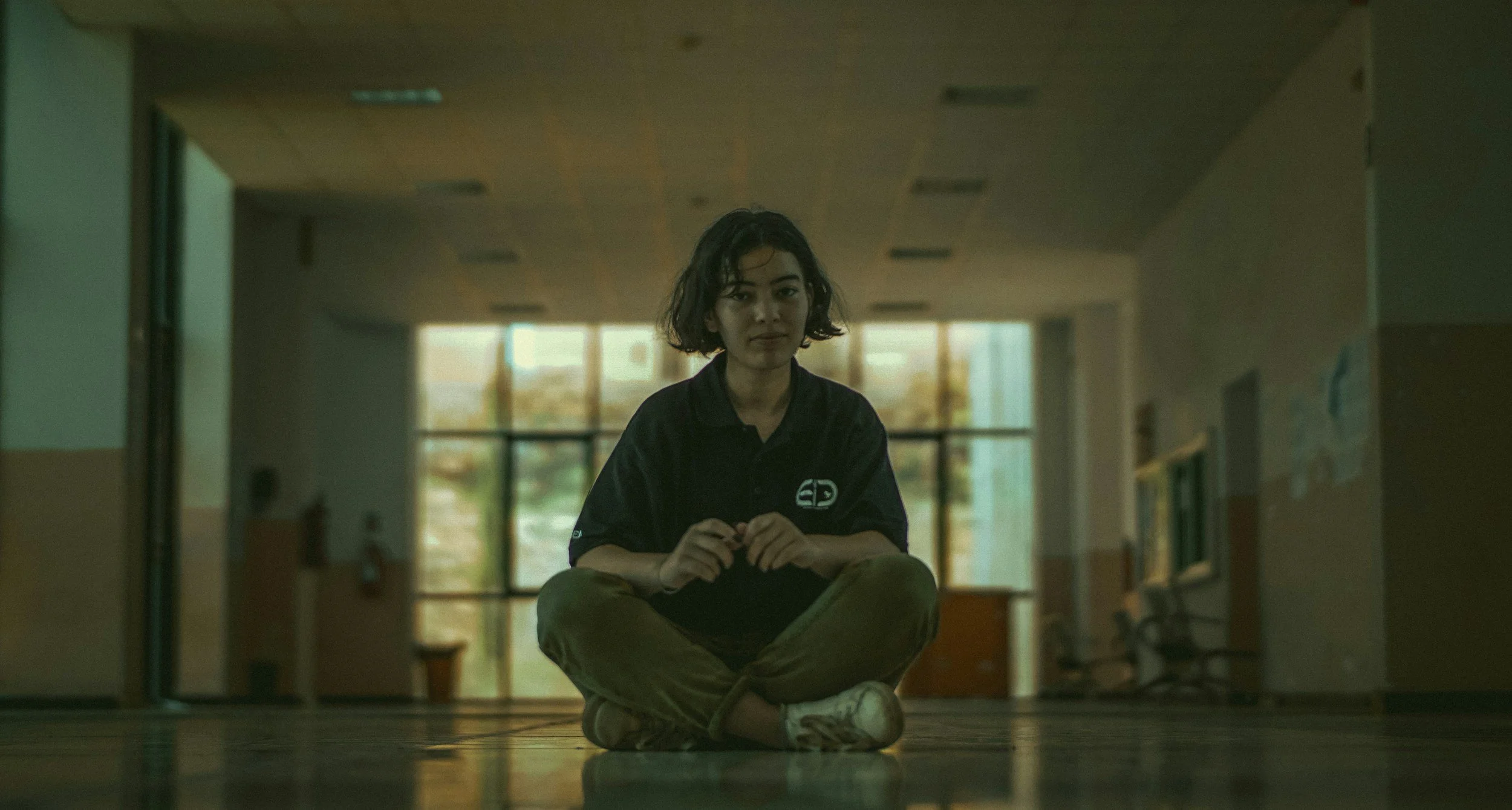
Growing up isn't always easy. Children and teens may struggle with big emotions, anxiety, friendships, school, family changes, or simply figuring out who they are.
Therapy gives them space to feel understood, make sense of what they're experiencing, and build skills for navigating it. I also work with caregivers to support progress beyond the therapy room.

My Approach
Therapy that meets your child where they are.
Children and teens deserve to feel understood, respected, and accepted. My approach is collaborative, developmentally informed, and rooted in attachment.
Sessions may include conversation, creative activities, play, mindfulness, or emotional regulation skills—always tailored to your child’s age, needs, and personality. I also partner with caregivers to support growth beyond therapy.

Parent involvement
Parents are part of the process.

While therapy is centered around your child or teen, caregivers play an important role in supporting lasting change.
Depending on age and needs, this may include parent check ins, strategies for home, collaboration around goals, and support with family communication.
Children and teens also benefit from having a space to speak openly. I'll talk with you about how confidentiality works and what information may need to be shared for safety or treatment.
What does therapy look like at different ages?
Therapy looks different at every age.

Infants, toddlers & preschoolers: Support often involves significant caregiver participation. For young children, therapy may include play, relationship based work, and parent coaching to support emotional regulation, development, and connection.
School-aged children: Therapy may incorporate play, creative activities, conversation, and skill building. Parent collaboration remains an important part of treatment, and sessions may be offered in person in Studio City or virtually when developmentally appropriate.
Teens: Teens may use therapy as a space to process emotions, build coping skills, develop insight, and navigate relationships, school, and life transitions. Sessions can be in person or virtual depending on their needs and fit.
Frequently Asked Questions
Things you might be wondering..
-
Parent involvement looks different depending on your child's age, developmental level, and goals. While sessions are centered on your child or teen, I regularly collaborate with caregivers to support progress at home while also respecting your child's need for privacy and trust within the therapeutic relationship.
-
Yes. I offer limited in person appointments for toddlers and preschool aged children in Studio City, as well as virtual parent support throughout California. Sessions may include direct work with your child, parent coaching, or a combination of both.
-
We'll discuss your child's age, needs, attention span, and goals during our consultation. If virtual therapy isn't the right fit, I'll help you determine whether an in person appointment in Studio City or another type of service would be more appropriate.
-
This is a common concern, especially for older children and teens. Building trust takes time, and I strive to create a space where young people feel heard rather than judged. We'll work together to help your child feel as comfortable and engaged as possible.
-
I work with children and teens across a range of developmental stages. During a consultation, we can talk about your child's age, needs, and goals to determine whether my approach is a good fit.
-
Therapy looks different for every child and may include play, art, conversation, movement, or other developmentally appropriate activities. I also work closely with parents and caregivers to support progress outside of sessions.
-
I offer limited in person appointments in Studio City, with most sessions taking place virtually. In person availability is limited and depends on your child's age, needs, and scheduling.
-
I want teens to have a space where they can speak openly and develop trust in therapy. I maintain their privacy while also keeping parents appropriately informed about their progress, treatment goals, and any safety concerns.